

An overbite happens when the upper teeth overlap the lower teeth more than they should. A slight overlap is normal and helps your mouth function properly, but a deep or vertical overbite can cause both cosmetic issues and functional problems. In some cases, treatments such as veneers may help improve the appearance of your smile when the overlap is mild or mostly cosmetic.
When the upper teeth cover too much of the bottom teeth, untreated, this can lead to tooth wear, jaw pain, eating discomfort, or even gum disease. The condition can also make the top teeth appear longer or more prominent, affecting the overall balance of your smile.
Some people are born with a skeletal structure that contributes to a misaligned bite, while others develop it over time due to teeth grinding, tooth loss, or prolonged habits such as thumb sucking. Regardless of the cause, an untreated overbite can affect both your appearance and oral health.
While orthodontic treatment using braces or clear aligners is often the standard method for bite correction, many adults explore cosmetic dentistry options, such as veneers for overbite, as a less invasive way to enhance the look and function of their teeth.
What Are Veneers and How They Work
Dental veneers are thin layers crafted from porcelain or composite resin. They are designed to bond to the front surface of your teeth, improving their shape, colour, and alignment.
Porcelain veneers, in particular, are highly durable and stain-resistant. These thin porcelain shells mimic the natural translucency of tooth enamel, giving a realistic and long-lasting result.
Veneers are primarily used in cosmetic dentistry procedures to enhance your smile. However, when carefully planned by a dentist, they can also contribute to minor bite improvements by slightly adjusting how your upper and lower teeth meet.
Can Veneers Fix an Overbite
The short answer is that veneers can help improve the appearance of an overbite, but they do not necessarily correct the underlying cause.
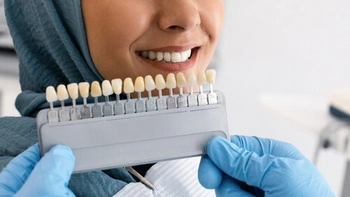 If your overbite is mild or cosmetic in nature, veneers fix issues such as worn or misaligned teeth, chipped edges, or minor teeth overlap that make your bite appear uneven. They can reshape the upper teeth and lower teeth, so they meet more harmoniously, reducing the visual prominence of the top teeth.
However, if your overbite cases involve a significant vertical overlap or a severe overbite, your dentist may recommend orthodontic braces, clear aligners, or even jaw surgery before or alongside veneers. These alternative treatments help address the actual skeletal structure or jaw position that veneers alone cannot modify.
In essence, veneers for overbite can offer a cosmetic solution, but for true overbite correction, your treatment plan may include a combination of cosmetic dentistry and orthodontic treatment.
When Veneers Are a Good Option
Porcelain veneers may be suitable for you if:
- Your overbite is mild or moderate.
- Your main goal is to improve cosmetic issues, not major bite changes.
- You have healthy gums and enough tooth enamel for adhesive bonding.
- You do not have severe jaw pain or extensive tooth wear caused by a misaligned bite.
- You are looking for a faster, minimally invasive way to enhance your smile.
When placed correctly, veneers can mask small gaps, balance the appearance of upper and lower teeth, and improve the proportions of your smile.
When Veneers Alone Are Not Enough
If you have a severe overbite, a horizontal overbite, or misaligned teeth affecting your bite correction, veneers may not be the best treatment by themselves. In such cases, your dentist may suggest:
- Orthodontic treatment using traditional braces or clear aligners helps move the teeth gradually into alignment.
- Jaw surgery (orthognathic surgery) for more complex skeletal structure issues involving the upper jaw or lower jaw.
- Dental implant procedure if tooth extraction or tooth loss has changed your bite or jaw positioning.
Combining these approaches allows for both functional and aesthetic improvements, resulting in a stable and attractive outcome.
How Veneers Help Improve the Look of an Overbite
While veneers cannot physically move your upper and lower teeth, they can enhance the way they appear to meet.
Reshaping Upper Teeth
If your upper teeth protrude slightly, veneers can make them look shorter or less dominant.
Balancing Lower Teeth
For patients whose bottom teeth appear worn or hidden, veneers can restore their visible length and create the appearance of a more balanced bite.
Improving Tooth Alignment
Veneers can slightly adjust the shape or position of misaligned teeth, improving how your smile looks even without full orthodontic movement.
Protecting Worn-Down Teeth
Over time, tooth wear from teeth grinding or a bad bite can expose tooth enamel. Veneers cover these areas, protecting the surface and improving appearance.
These cosmetic adjustments may not correct a misaligned bite, but they can create the illusion of improved alignment while enhancing oral health and function.
The Veneer Procedure for Overbite Cases
If your dentist recommends veneers as part of your treatment plan, the process typically follows several steps.
Initial Consultation
During your first visit, your dentist will assess your upper and lower teeth, take impressions, and discuss your goals to ensure veneers are suitable for your bite and smile.
Tooth Preparation
A small amount of tooth enamel is gently removed from the front surface of the teeth to make space for the thin porcelain shells.
Impressions and Temporary Veneers
Detailed moulds of your teeth are taken, which serve as a guide for crafting your custom veneers. Temporary veneers can be placed to safeguard your teeth while the final ones are being made.
Adhesive Bonding
Once ready, the final veneers are bonded securely to your teeth using a strong dental adhesive.
Final Adjustments
Your dentist will check the bite alignment and make any necessary refinements to ensure your upper teeth and lower teeth meet comfortably.
This process generally takes two or three appointments, but can vary depending on your case and whether other procedures are included.
Caring for Veneers After an Overbite Treatment
Once placed, maintaining your porcelain veneers is essential for long-lasting results. Keeping a consistent oral health routine helps maintain your new smile.
- Brush and floss each day with a gentle, non-abrasive toothpaste.
- Refrain from using your teeth on hard items or to tear open packaging.
- Consider wearing a nightguard at night if you clench or grind your teeth while asleep.
- Schedule regular dental check-ups for professional cleaning and to monitor your veneers.
When properly cared for, veneers can last for many years, keeping your smile bright and your bite comfortable.
Comparing Veneers to Other Overbite Treatments
For many adults, veneers offer a quicker and less invasive way to improve the look of their smile when compared with orthodontic braces or jaw surgery. However, each option targets different aspects of an overbite. Understanding the focus of each treatment can help set realistic expectations and guide your next steps.
Veneers
Veneers mainly focus on the surface appearance of the teeth. They are generally suitable for mild or cosmetic overbites where the goal is to improve the look of the upper and lower teeth, rather than make major structural changes. Veneers create a more balanced smile by adjusting the visible length, shape, or alignment of teeth. It is important to note that veneers do not change the tooth position or underlying bone structure.
Orthodontic Treatment (Braces or Clear Aligners)
Traditional braces or clear aligners focus on tooth movement. These treatments are typically recommended for moderate to severe overbites, as they gradually guide the teeth into a healthier position. Orthodontic treatment usually requires a longer timeframe, as the alignment changes are made slowly and carefully over a number of months.
Jaw Surgery (Orthognathic Surgery)
Jaw surgery focuses on correcting the skeletal structure that contributes to an overbite. It may be suggested for severe cases or when the misalignment affects function, bite stability, or jaw positioning. Because it involves surgical intervention, recovery may take longer, and it is generally considered when other treatment options are not sufficient on their own.
Dental Implants or Dental Crowns
Dental implants or crowns may be recommended if missing teeth, tooth extraction, or tooth damage has contributed to the overbite. These options help replace or restore lost tooth structure and are usually incorporated as part of a broader treatment plan. They may be paired with orthodontics or cosmetic dentistry, depending on your bite and long-term goals.
Your dentist will assess your overbite, tooth position, skeletal structure, and treatment preferences to recommend the approach that best matches your functional needs and aesthetic goals.
The Link Between Overbite and Oral Health
An untreated overbite can do more than affect your smile’s appearance. It can also impact your oral health in several ways.
- Tooth wear: Excessive vertical overlap can wear down the bottom teeth over time.
- Jaw pain: A misaligned bite may place strain on the jaw joints, leading to tension or discomfort.
- Gum issues: An improper bite can make cleaning harder, which may raise the risk of gum disease or tooth decay.
- Eating discomfort: Uneven bites may make it harder to chew effectively, putting extra pressure on certain teeth.
That is why early assessment and professional care are vital when considering treating overbites, whether through veneers, orthodontic treatment, or other options.
Final Thoughts: Finding the Appropriate Treatment for Your Overbite
Veneers can be a valuable part of an overbite correction plan, especially for patients seeking a cosmetic solution that enhances the look of their upper and lower teeth. While they may not replace the need for orthodontic treatment or jaw surgery in more complex cases, they offer an effective way to refine your smile once your bite has been corrected.
If you are wondering whether veneers for overbite are right for you, your next step should be to schedule an initial consultation with your dentist. They can evaluate your bite alignment, discuss your goals, and recommend the proper treatment for your unique needs.
With a personalised treatment plan and ongoing care, you can achieve a smile that looks balanced, feels comfortable, and supports long-term oral health.
If you’re concerned about your overbite or want to explore whether veneers could help improve your smile, book a consultation with us at Available Dental Care or call (02) 4062 8763 or (02) 4628 0573.
Resources
Cleveland Clinic. (2023). ‘Bruxism (Teeth Grinding)’. Cleveland, OH, 18 December. Cleveland, OH: Cleveland Clinic.
https://my.clevelandclinic.org/health/diseases/10955-teeth-grinding-bruxism
Mayo Clinic Staff. (2024). ‘Dental implant surgery’. Rochester, MN, 23 October. Rochester, MN: Mayo Foundation for Medical Education and Research.
https://www.mayoclinic.org/tests-procedures/dental-implant-surgery/about/pac-20384622
Watson, S. (2024). ‘Gingivitis and Periodontal Disease (Gum Disease)’. WebMD, 9 February. New York, NY: WebMD LLC.
https://www.webmd.com/oral-health/gingivitis-periodontal-disease