

Watching your baby grow their first teeth is one of the most exciting milestones in early development. While it can be a challenging time for parents, understanding the baby teething stages and how children’s dentistry supports healthy tooth and gum development helps make the process smoother and less stressful. Teething is a natural process that all children go through as their primary teeth, often called milk teeth or baby teeth, start to appear. Recognising what’s normal at each stage can also help parents respond confidently and provide better comfort for their child.
In this guide, we’ll cover what to expect as teeth erupt, the signs of teething, how to manage discomfort, and how to care for your child’s gums and teeth as they grow.
What Is Baby Teething?
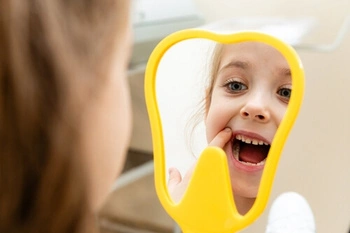 Baby teething is when a baby’s first teeth gradually emerge through the gum line. These first teeth are called primary teeth. They begin forming while babies are still in the womb, though most children don’t start teething until around 6 months of age.
When the first tooth erupts, parents often notice increased drooling, irritability, and the urge to chew on objects. These are normal teething symptoms and part of your baby’s natural teeth development.
Every child’s timeline is slightly different. Some babies start teething as early as 3 months, while others might not get their first tooth until after 12 months.
The Stages of Baby Teething
Although every baby is unique, teething generally follows a predictable pattern. The process continues until your child has all their teeth, usually by around 33 months of age.
Here’s a breakdown of the typical baby teething stages:
Stage 1: Preparing for Teething (0–6 Months)
When babies are born, their primary teeth already exist beneath the gums. You can’t see them yet, but they’re developing within the jawbone.
During this stage, your main job as a parent is to keep your baby’s gums healthy. Gently wipe your baby’s gums with a clean finger wrapped in a soft, damp cloth after feeding. This prevents bacteria buildup and gets your baby used to oral care early.
Stage 2: The First Teeth (6–10 Months)
Around 6 months of age, the first teeth usually start to emerge. For most children, the bottom front teeth, also known as lower central incisors, are the first to appear. Shortly after, the top front teeth (upper central incisors) break through the gum line.
During this phase, your baby may experience mild teething pain and general discomfort. You can offer teething rings or gently rub their gums with a clean finger to relieve pressure.
Stage 3: More Front Teeth (8–13 Months)
Next come the lateral incisors, the teeth just beside the front middle ones. These appear in both the lower and upper jaw. Your baby will now have a total of 8 front teeth that help with biting small pieces of soft food.
At this point, babies start exploring solid foods more confidently. They’ll use these teeth to tear food into manageable pieces.
Stage 4: First Molars (13–19 Months)
Between 13 and 19 months, the first molars erupt. These are the larger back teeth that help your child crush food and start learning to grind food properly.
Molars tend to cause more teething discomfort than the earlier teeth because of their larger size and flat shape. You can offer cold spoons, chilled teething rings, or clean, damp cloths to soothe their gums.
Stage 5: Canine Teeth (16–22 Months)
The canine teeth, also known as cuspids, come in next. These are the pointed teeth that grow between the front teeth and the back molars in both jaws.
Canine eruption often leads to noticeable irritability because they push through thicker gum tissue. Reassure your baby with cuddles, soft food, and gentle gum massage.
Stage 6: Second Molars (25–33 Months)
By the time your child is about 2½ to 3 years old, the second molars, the last of the baby teeth, start to come through at the back of the mouth. These teeth complete your child’s set of 20 primary teeth.
At this stage, most children can chew effectively and enjoy a wide variety of foods.
Common Teething Symptoms
When a tooth erupts, it can cause temporary irritation or inflammation in your baby’s gums. Some of the most common baby teething symptoms include:
- Red or swollen gums
- Excessive drooling
- Irritability or fussiness
- Trouble sleeping
- Gnawing or chewing on objects
- Mild temperature rise (not a fever)
- Loss of appetite
Not every baby experiences all these signs. The level of discomfort depends on how many teeth are erupting at once and your baby’s individual sensitivity.
If your baby develops a fever, diarrhoea, or a rash, it’s best to consult a dentist. These are not typical teething symptoms.
Easing Teething Pain
Teething can cause discomfort, but there are safe, gentle ways to soothe your baby:
- Massage the Gums
Use a clean finger or a soft, damp cloth to gently rub your baby’s gums. This can relieve pain by applying light pressure. - Teething Rings
Offer a sterilised teething ring (refrigerated, not frozen). The cool surface helps reduce inflammation and soothes sore gums. - Cold Foods for Older Babies
Once your child is eating solids, offer cold purees, yoghurt, or chilled fruit in a mesh feeder for temporary relief. - Teething Gels and Medications
Some teething gels can help, but always check with your dentist or follow guidance from the Australian Dental Association before using any product. Avoid gels with anaesthetics unless prescribed. - Extra Comfort
Sometimes, all your child needs is extra cuddles and reassurance. Teething is tiring and uncomfortable, so comfort goes a long way.
Avoid teething necklaces, as they can pose choking and strangulation risks.
Caring for Baby Teeth
Once the first teeth appear, it’s time to start brushing. Use a soft infant toothbrush and a pea sized amount of children’s fluoride toothpaste (or a pea sized smear for babies under 18 months).
- Brush twice a day, morning and before bed.
- Focus on cleaning gently along the gum line.
- Encourage good habits early so brushing becomes part of your child’s daily routine.
Tip: Gently wipe your baby’s gums even before teeth erupt to reduce bacteria buildup and help them get used to oral care.
Why Baby Teeth Matter
Even though they’ll eventually be replaced by adult teeth, baby teeth play a crucial role in a child’s oral and overall development.
Baby teeth help with:
- Chewing and proper digestion
- Speech development
- Maintaining space for permanent teeth
- Guiding adult teeth into the correct position
If decayed baby teeth are not treated, they can lead to pain, infection, or issues with speech and chewing. Untreated tooth decay in childhood may also affect how secondary teeth (permanent teeth) develop later.
To protect your baby’s smile, limit sugary foods and drinks, and schedule regular dental check-ups once the first tooth appears, or by 12 months of age.
From Baby Teeth to Permanent Teeth
By the time children reach 6 years of age, their permanent teeth begin to emerge. These secondary teeth gradually replace the baby teeth, starting with the front teeth (central incisors).
The first molars of the permanent set appear behind the last baby molars. Over the next several years, your child’s adult teeth will continue to erupt until about 12 or 13 years old.
The last to come through are the wisdom teeth, also called third molars, which typically appear between 17 and 25 years of age.
Encouraging Good Oral Habits
 Healthy teeth and gums start with consistent care. To encourage lifelong oral hygiene:
- Help your child brush and floss until they can do it properly on their own.
- Teach them to spit out toothpaste instead of swallowing.
- Offer water between meals instead of sugary drinks.
- Keep up with regular dental visits every six months.
- Use dental-friendly snacks like cheese, fruits, and vegetables.
Good dental care in childhood sets the foundation for strong, healthy permanent teeth in adulthood.
The Takeaway
The baby teething stages mark an important part of your child’s growth and development. From the first tiny bottom front teeth to the last second molars, each milestone helps your child chew, speak, and smile confidently.
Although baby teething can cause temporary pain or discomfort, it’s a normal stage of life and can be managed with care, patience, and the right support.
If you’re concerned about your baby’s teething stages or want gentle guidance on keeping their gums and first teeth healthy, book a consultation with us at Available Dental Care or call (02) 4062 8763 or (02) 4628 0573 for supportive, professional advice tailored to your child’s needs.
Resources
Mitchell, K., Vroomen Durning, M., & WebMD Editorial Contributor (2024). ‘Teething – What You Should Know’. WebMD, 10 May. New York, NY: WebMD LLC.
https://www.webmd.com/parenting/baby/teething-symptoms-remedies
Cherney, K., & McLean, A. (2025). ‘10 Ways to Keep Your Teeth Healthy’. Healthline, 13 May. San Francisco, CA: Healthline Media.
https://www.healthline.com/health/dental-and-oral-health/best-practices-for-healthy-teeth
Cleveland Clinic Staff (2023). ‘Cavities’. Cleveland Clinic, 27 March. Cleveland, OH: Cleveland Clinic.
https://my.clevelandclinic.org/health/diseases/10946-cavities