
A dental bone graft plays an important role in restoring lost bone and preparing your mouth for treatments like dental implants. Although the healing process takes time, there are several ways you can support your body’s natural recovery and help achieve a successful healing outcome.
In this guide, we’ll explain what happens after dental bone graft surgery, what to expect during recovery, and practical steps to speed up bone graft healing while keeping your mouth comfortable and infection-free.
Understanding Bone Graft Healing
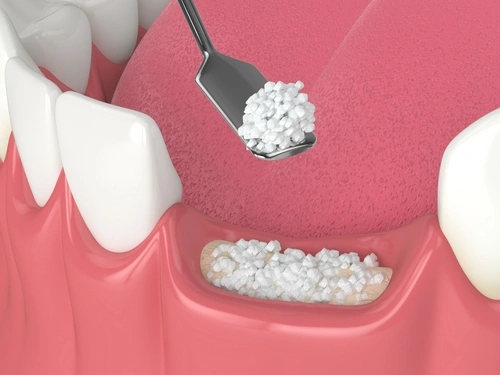 A bone graft is a dental surgery that replaces or rebuilds bone in areas where you’ve had tooth loss, gum disease, or tooth extraction procedure. The goal is to restore enough bone structure and strength to support dental implants later.
During a dental bone graft procedure, your dentist places graft material, which can come from your own bone, a donor, or a synthetic source, into the tooth socket or area of bone loss. Over time, your natural bone grows and fuses with this material, forming a stable base through a process called bone regeneration.
However, this bone healing doesn’t happen overnight. Your body needs time to rebuild tissue, form blood vessels, and integrate the graft site. Proper care and a few healthy habits can make a big difference in supporting this process.
1. Follow All Post-Surgery Instructions
Your dentist will give specific directions to care for the surgical site after your bone grafting procedure. Following these instructions closely is the most important step toward a successful recovery.
That includes taking prescribed medications such as prescribed antibiotics or pain medication, using any recommended mouth rinses, and keeping the surgical area clean. Skipping medications or cleaning incorrectly can increase the risk of infection, excessive bleeding, or graft failure.
2. Keep Your Head Elevated
During the initial recovery, try to rest with your head elevated on an extra pillow, especially for the first few nights. This position improves blood flow and helps reduce swelling in the affected area.
Lying flat may increase blood pressure around the surgical site, which can cause excessive bleeding or delay the healing process. Keeping your head up encourages proper healing and helps you stay more comfortable.
3. Apply Ice Packs to Manage Swelling
Mild to moderate swelling is a natural response after any dental surgery. To help reduce swelling, place ice packs on the outside of your face for about 15 to 20 minutes at a time within the first two days.
Cold temperatures narrow the blood vessels, slowing blood flow and soothing inflammation. To prevent skin irritation, wrap the ice in a soft cloth and take breaks between applications.
4. Eat Soft Foods for at Least Two Weeks
A soft food diet supports tissue repair and prevents unnecessary pressure on the graft site. During the first few days, eat soft foods like mashed potatoes, yoghurt, soups, and smoothies.
Stay away from tough, crispy, or spicy foods that may irritate the surgical area or cause strong pain. As you heal, you can gradually reintroduce harder foods, but follow your dentist’s advice before doing so.
Soft options like scrambled eggs, lean meats (finely shredded), and soft fruits provide essential nutrients your body needs for bone healing. Proper nutrition also supports immune function, helping your body prevent infection and speed up recovery.
5. Maintain Good Oral Hygiene (Gently)
Good oral hygiene keeps bacteria under control and helps you prevent infection during dental bone graft recovery. However, cleaning your mouth gently is important to avoid disturbing the surgical site.
Use a soft-bristled toothbrush and steer clear of forceful rinsing or spitting for the first few days, as this can trigger bleeding or disrupt clot formation. Once your dentist approves, you can rinse gently with warm salt water to maintain the area’s cleanliness and aid tissue healing.
6. Avoid Smoking and Alcohol
Smoking limits blood flow and reduces oxygen supply to the bone and soft tissues, which can delay healing or even lead to graft failure. Similarly, alcohol can irritate the surgical site and interfere with medications.
If possible, stop smoking before and after bone graft surgery to promote successful healing. Even cutting down significantly during dental bone graft recovery can make a big difference.
7. Stay Hydrated and Keep Your Mouth Moist
Dryness slows down tissue repair and increases discomfort. Keep your mouth hydrated by sipping water regularly throughout the day. Avoid soft drinks or beverages high in caffeine, as these can cause dehydration. Staying hydrated supports blood flow, helps remove bacteria, and keeps your mouth comfortable. If you’re breathing through your mouth more often due to swelling, drinking water becomes even more important.
8. Manage Discomfort Carefully
It’s normal to experience mild soreness or pressure after dental bone graft surgery, especially near the graft site. You can manage discomfort with your dentist’s recommended pain medication.
Avoid over-the-counter painkillers unless advised, as some may thin the blood and cause excessive bleeding. If you notice severe pain that doesn’t improve or new swelling after a few days, contact your dentist immediately.
Persistent discomfort could signal infection, irritation, or issues with the graft material, and early action helps ensure successful recovery.
9. Support Bone Healing With Good Nutrition
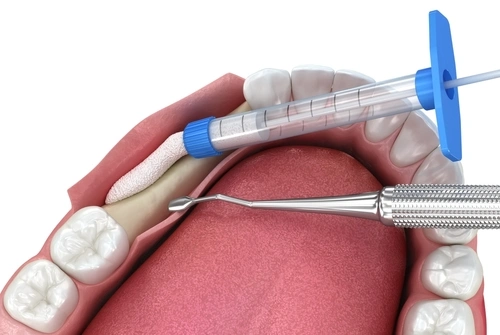 Your diet plays a major role in the bone healing process. Foods rich in calcium, vitamin D, and protein help build strong dental bone and speed up tissue regeneration.
To supply essential nutrients, include lean meats, eggs, dairy, leafy greens, and fortified cereals. If your dentist recommends supplements, take them as directed to support proper healing.
Avoid certain foods, such as sticky sweets, popcorn, and nuts, which could get lodged in the surgical area or disturb the graft site.
10. Watch for Warning Signs
While most people heal without issues, it’s important to keep an eye out for symptoms that may require professional attention. Contact your dentist if you notice:
- Ongoing or intense pain that gets worse instead of settling
- Continuous or excessive bleeding after the first day
- Swelling that increases after three days
- Indicators of infection, like fever, discharge, or an unpleasant taste in the mouth
Prompt care can help your dentist identify and treat problems before they affect the bone graft or cause graft failure.
11. Avoid Physical Strain
During the first week or two, avoid exercise or heavy lifting that could raise your blood pressure and cause bleeding. Gentle walking is fine, but postpone vigorous activity until your dentist confirms it’s safe.
Too much physical exertion early on can reduce blood flow to the graft site and interfere with bone regeneration. Taking things slow will help your body focus on healing.
12. Attend All Follow-Up Appointments
Follow-up visits allow your dentist to check that the graft material is integrating properly and the surgical site is healing well. These appointments also ensure early detection of any potential complications, such as infection or delayed soft tissue healing.
Skipping check-ups can make it harder to track progress and may increase the risk of unnoticed graft failure.
13. Be Patient With the Process
Even with perfect care, dental bone graft recovery takes time. It can take several months for natural bone to fully integrate with the graft material. During this period, focus on maintaining good oral hygiene, healthy eating, and consistent dental check-ups.
Remember, a strong and stable bone structure forms the foundation for successful dental implant surgery and long-term oral health.
Final Thoughts
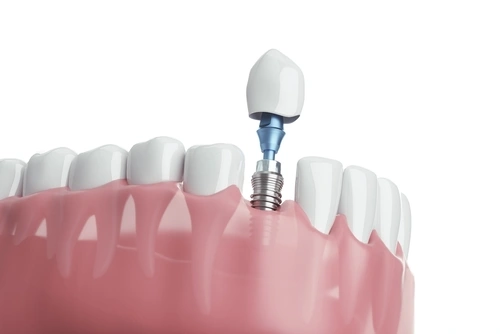 Understanding how to speed up bone graft healing allows you to take an active part in your recovery process. From maintaining cleanliness and oral hygiene to eating nutritious foods and avoiding habits that delay healing, each small step supports your body’s natural response to repair and regenerate.
With patience, proper care, and regular communication with your dentist, you can look forward to a successful recovery and a healthy smile ready for future dental implants.
If you’re concerned about your bone graft recovery or want to understand how to support faster healing, book a consultation with us at Available Dental Care or call (02) 4062 8763 or (02) 4628 0573. Our team can guide you through each step of the recovery process and help you achieve a comfortable outcome.
Note: Any surgical or invasive procedure carries risks. Before proceeding, you should seek a second opinion from an appropriately qualified health practitioner.
Resources
Kubala, J. (2023). ‘Soft Food Diet: Foods to Eat and Foods to Avoid’. Healthline, 15 March. San Francisco, CA: Healthline Media. https://www.healthline.com/nutrition/soft-food-diet
Colgate Staff. (2023). ‘What Is Good Oral Hygiene?’. Colgate, 9 January. New York, NY: Colgate-Palmolive Company. https://www.colgate.com/en-us/oral-health/adult-oral-care/what-is-good-oral-hygiene
Cleveland Clinic Staff. (2025). ‘Tooth Extraction’. Cleveland Clinic, 4 April. Cleveland, OH: Cleveland Clinic. https://my.clevelandclinic.org/health/treatments/22120-tooth-extraction