

Dental implant treatment is a long-term, reliable way to replace missing teeth and restore proper function to your mouth. They function and feel similar to natural teeth, but sometimes problems can develop over time. One of the most common issues is a loose dental implant crown.
If your dental implant feels loose or moves slightly when you chew or speak, it’s important to have it checked. Ignoring early symptoms can lead to further complications such as infection, bone loss, or even implant failure. This article explains the symptoms of loose dental implant crown, what causes it, and when to seek immediate dental attention from a qualified dentist.
Understanding the Dental Implant Crown
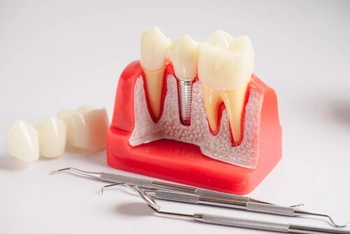
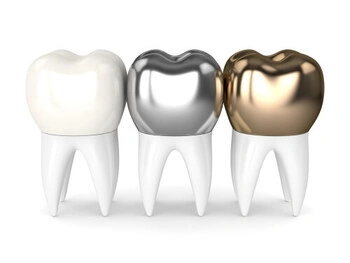 A dental implant consists of multiple components that function together to restore a missing tooth.
- Implant post: a small titanium screw placed in the jawbone to act as an artificial tooth root.
- Abutment: a connector piece that links the implant post with the crown.
- Implant crown: the visible prosthetic tooth that functions like your natural tooth.
The implant structure should stay firm if the bone and surrounding gums remain healthy. However, if any part, especially the implant crown, becomes loose, it may signal a mechanical issue or an infection around the implant site.
Symptoms of a Loose Dental Implant Crown
Recognising the symptoms of a loose dental implant crown early allows for timely intervention and prevents further damage. Here are the main signs to watch for.
Noticeable Movement or Wobbling
If you feel any noticeable movement in the implant crown or post while eating or touching it with your tongue, it could indicate a loose implant crown. The actual implant should always stay solid, so even a small shift needs a dental evaluation.
Pain or Discomfort
A healthy implant should not cause pain. Persistent discomfort, especially when biting or eating hard or sticky foods, may indicate that the implant crown is loose or that pressure is being placed on the surrounding bone.
Clicking or Grinding Sounds
If you hear a clicking noise when chewing, it might be due to screw loosening or a loose abutment. This is common in both cement-retained crowns and screw retained crowns and should be corrected to avoid implant complications.
Gum Irritation or Inflammation
Swelling, tenderness, or gum irritation around the implant area may indicate trapped debris or early gum disease. Poorly fitting crowns, excess dental cement, or poor oral hygiene can irritate the surrounding gums and compromise your oral health.
Pressure or Pain When Chewing
If biting down feels uneven or painful, your implant crown may be slightly displaced. This misalignment can affect adjacent teeth and lead to grinding teeth or even damage nearby dental crowns.
Bad Taste or Odour
A loose dental implant can create small spaces between the crown and gumline where food and bacteria collect. This can lead to bad breath or a foul taste, indicating the need for early treatment.
Gum Bleeding or Recession
If your gums bleed easily when brushing, it could point to infection or gum disease developing around the implant. Without proper care, this can lead to bone loss and reduced stability of the implant fixture.
Why Does a Dental Implant Crown Become Loose
A loose crown or loose dental implant can develop for several reasons. Understanding the cause helps prevent recurrence and maintain implant health.
Screw Loosening
Over time, the dental implant screw may loosen due to excessive force from biting or grinding teeth. This is a mechanical problem and can usually be fixed by retightening the screw during a dental appointment.
Worn or Damaged Cement
In cement-retained crowns, the bonding material can wear away, allowing the crown to shift. A dentist can remove the existing crown, clean it, and reattach it securely.
Gum Disease or Infection
Bacterial build-up near the implant site can cause inflammation in the gum tissue. If untreated, this can damage the surrounding bone and lead to implant failure.
Bone Loss or Weak Support
If the jawbone around the implant thins over time, it can destabilise the entire implant. This may occur from infection, ageing, or insufficient bone grafting during the initial placement.
Poor Fit or Placement
Sometimes the implant crown or abutment is not fitted correctly. Repeated pressure from hard or sticky foods can gradually loosen it.
Teeth Grinding (Bruxism)
Constant clenching or grinding exerts excessive force on implants and natural teeth. This habit can loosen crowns and even cause micro-movements in the implant post.
Poor Oral Hygiene
Neglecting cleaning around implants leads to plaque build-up, which can irritate the surrounding gums and contribute to bone loss. Consistent brushing and flossing are essential to maintain a healthy implant.
What Happens if a Loose Implant Crown is Ignored
 Leaving a loose dental implant crown untreated can cause serious problems. These include:
- Gum infection or gum disease
- Progressive bone loss around the implant area
- Damage to the surrounding teeth or adjacent teeth
- Cracking or loosening of nearby dental crowns
- Complete implant failure, requiring a new implant
Addressing loose dental components promptly with timely intervention reduces the risk of further complications.
What You Should Do When a Dental Implant Feels Loose
If your dental implant feels loose, don’t try to fix it yourself. Here’s what you should do.
- Avoid wiggling or touching the crown, as this may cause further damage.
- Refrain from eating hard or sticky foods until you see your dentist.
- Practise good oral hygiene by gently brushing around the implant.
- Reach out to your dentist for an urgent appointment or dental evaluation.
If needed, visit your dentist immediately to prevent the issue from worsening.
How Dentists Diagnose and Treat a Loose Implant Crown
Your dentist will perform X-rays and a dental evaluation to identify whether the problem lies with the implant crown, abutment, or entire implant. Treatment depends on the underlying cause.
Tightening or Replacing the Abutment
If there is a loose abutment, your dentist can usually retighten it. For screw retained crowns, the crowns attached can be removed, adjusted, and resecured.
Re-cementing the Crown
For cement-retained crowns, the dentist may remove the existing crown, clean out old cement, and reattach it properly.
Addressing Gum or Bone Issues
If inflammation or bone loss is present, the dentist may deep-clean the implant area, prescribe medication, or suggest bone grafting to rebuild strength in the surrounding bone.
Replacing the Implant
In severe cases where the implant fixture or implant post fails, your dentist may remove it and place a new implant once the area heals.
Each case varies, but early treatment ensures better outcomes and preserves your long-term dental health.
Final Thoughts
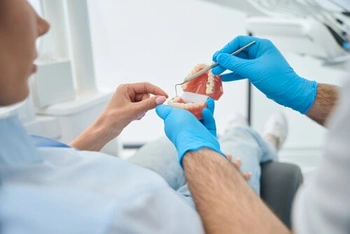 A loose dental implant crown may start as a small inconvenience but can quickly escalate into a bigger issue if ignored. Paying attention to the symptoms of a loose dental implant crown and visiting your dentist for a prompt dental evaluation can protect your oral health and the integrity of the implant.
If you’re concerned about a loose dental implant crown or want to ensure your implant remains strong and healthy, book a consultation with us at Available Dental Care, our dental clinic in Gregory Hills, or call (02) 4062 8763 or (02) 4628 0573. Our team can assess your implant, identify the cause, and provide gentle, effective treatment to restore comfort and stability.
Note: Any surgical or invasive procedure carries risks. Before proceeding, you should seek a second opinion from an appropriately qualified health practitioner.
Resources
Watson, S. (2024). ‘Gingivitis and Periodontal Disease (Gum Disease)’. WebMD, 9 February. New York, NY: WebMD LLC.
https://www.webmd.com/oral-health/gingivitis-periodontal-disease
Colgate. (2023). ‘What Is Good Oral Hygiene?’. Colgate, 9 January. New York, NY: Colgate-Palmolive Company.
https://www.colgate.com/en-us/oral-health/adult-oral-care/what-is-good-oral-hygiene
Mayo Clinic Staff. (2024). ‘Teeth Grinding (Bruxism)’. Mayo Clinic, 27 December. Rochester, MN: Mayo Foundation for Medical Education and Research.
https://www.mayoclinic.org/diseases-conditions/bruxism/symptoms-causes/syc-20356095